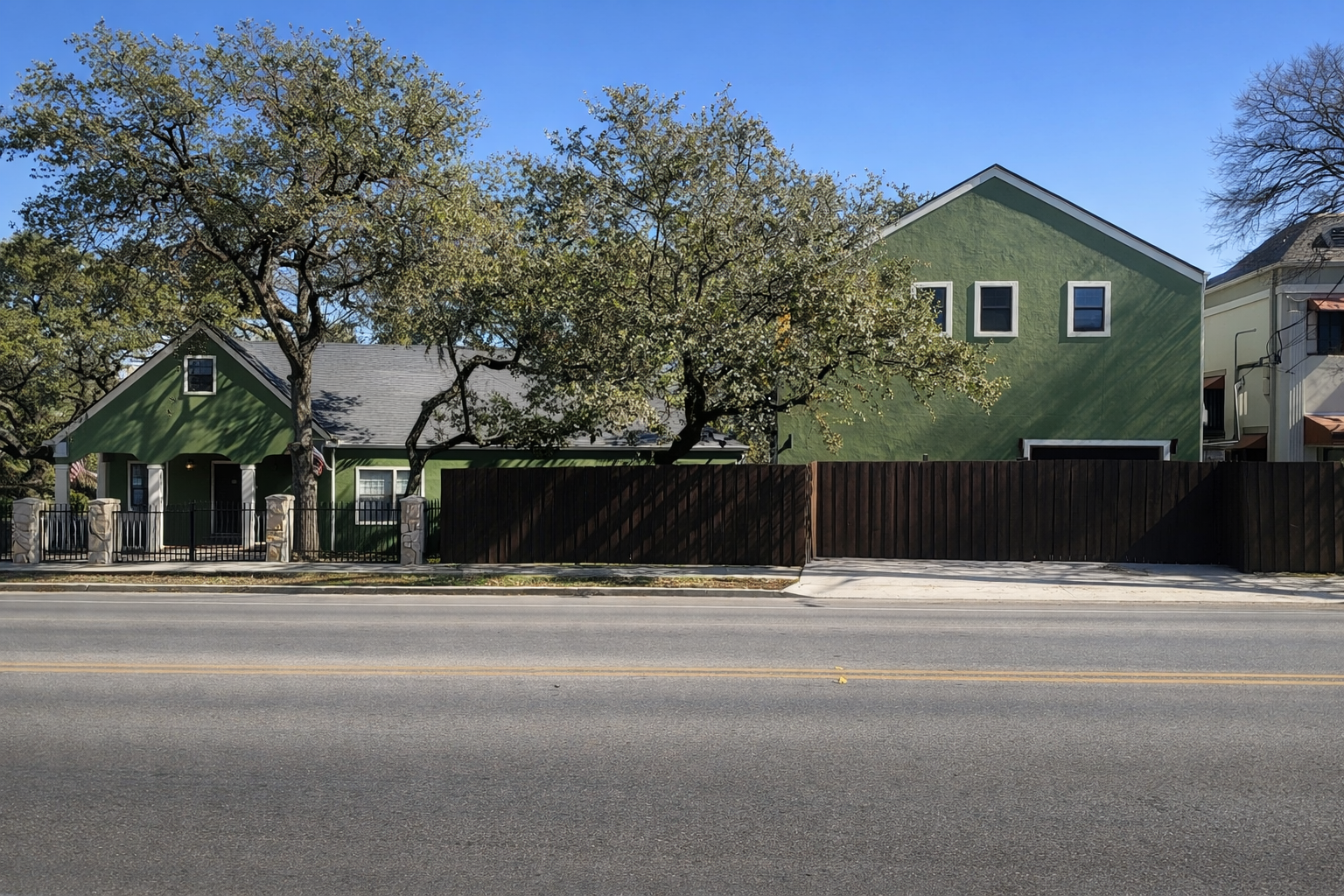
Liminal Design Studio is led by Michelle Cruz, an architect with a background in urban design and a focus on culturally responsive residential architecture. Her work bridges architecture and city-making, translating broader urban ideas into intimate, human-scaled spaces.
The term liminal refers to thresholds — spaces of transition, transformation, and possibility. This concept guides our practice, shaping architecture that exists thoughtfully between past and future, community and individual, memory and innovation.
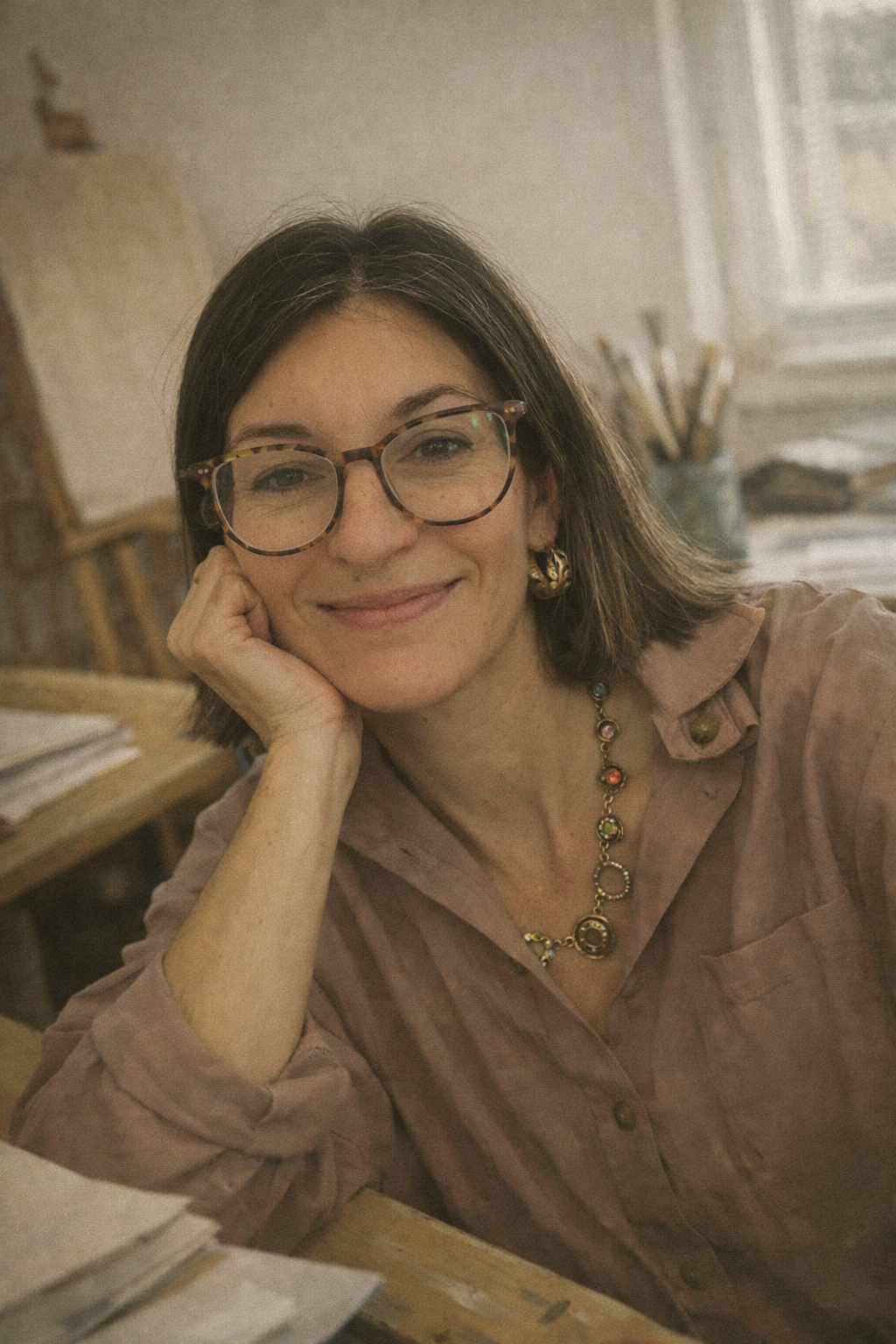
Michelle Hipps-Cruz
FounderMichelle Cruz is an architect and urban designer based in Texas whose work centers on cultural context, spatial clarity, and the relationship between architecture and the city.
She received her architectural education at the University of Miami, followed by a Master’s degree in Urban Design from The University of Texas at Austin, where her work focused on urban form, cultural identity, and place-based design. Her academic background in urban design continues to inform her architectural practice, grounding each project within its broader social, historical, and environmental context.
Before founding Liminal Design Studio, Michelle worked in private practice at Debra Dockery Architects and Overland Partners in San Antonio, contributing to projects ranging from residential to civic and cultural work. She has also worked within the public sector for both the City of San Antonio and the City of Austin, gaining direct experience in planning, historic review processes, and the regulatory frameworks that shape urban environments.
Today, Michelle leads a small, independent practice working throughout Texas, with projects in San Antonio and Austin. Her studio provides full architectural services from conceptual design through construction administration, with a focus on small-scale residential architecture, urban infill, and context-sensitive work within historic districts.
Her design approach is rooted in the belief that architecture is a cultural act. Each project begins with close attention to place — its history, materials, patterns of life, and lived experience — and translates these elements into architecture that feels both contemporary and deeply connected to its surroundings. Whether through the use of color, reclaimed materials, or carefully articulated spatial sequences, her work seeks to reveal and honor the stories already present in a site.
Michelle’s practice values craft, restraint, and intentionality. Rather than pursuing scale, the studio prioritizes depth — designing homes and spaces that are thoughtful, enduring, and shaped by the people and communities they serve..